Lawn Mowing in Blackwall

Lawn mowing in Blackwall should be tidy, regular and set around the actual condition of the grass rather than a one-size-fits-all routine. Our service focuses on keeping domestic and shared outdoor spaces neat, presentable and manageable through careful cutting, edging and finish work. For customers looking for a straightforward way to keep grass under control, the emphasis is on consistent results, clear communication and a service shaped around the size, access and condition of the lawn.
We work with lawns that need ongoing maintenance as well as grass areas that have been left for longer than ideal and need a more deliberate approach before they can be brought back into shape. That may include mowing at a measured height, clearing away cuttings where appropriate and paying attention to borders, paths and awkward corners. Good lawn care is not only about cutting grass shorter; it is also about leaving the surface even, healthy-looking and easy to maintain afterwards.
If you are comparing options, start with the outcome you want: a simple regular cut, a neater finish around edges or a fuller maintenance plan that sits alongside other garden work. You can request a quotation once you know what level of help you need, and we can discuss the right mowing schedule for the grass you have.
Regular mowing and grass care
Regular mowing is the core of this service, and it is usually the best way to keep a lawn in steady condition through the growing season. Cutting frequency depends on the grass type, the weather and how quickly the lawn is recovering between visits. A carefully managed cut supports a cleaner appearance than infrequent heavy mowing, which can leave clumps, uneven patches and stressed areas. The aim is a practical routine that suits the site rather than an overcomplicated plan.
Where lawns are used often, the cut height and finish matter just as much as the visit interval. Grass that is trimmed too low can look sparse and suffer in dry spells, while grass left too long can become heavy and untidy. We therefore treat each lawn according to what it needs at the time, keeping in mind that seasonal growth, shade and foot traffic all affect the final result. If you need to plan ahead, regular mowing is usually easier to maintain than rescue work.
For some customers, lawn mowing is part of a wider garden upkeep routine, and that is where a linked maintenance plan can be useful. If you would like broader support beyond cutting, our garden maintenance service covers a wider range of routine outdoor care. Where the grass is overgrown or blocked by cuttings and debris, a separate clearance visit may be the better starting point before mowing becomes practical again.
Edges, finishes and the details that shape a neat result
The visible difference between an average mow and a smart finish often comes from the smaller details. Edges, fence lines, borders and paths can make the whole lawn look better when they are cut back cleanly. We pay attention to these boundaries because they frame the grass and help the garden read as cared for, not just cut. A tidy finish can matter as much as the mowing itself, especially where the lawn is close to paving or planted areas.
Attention to detail also helps when lawns sit beside beds, hedges or narrow access routes. In those settings, care is needed to avoid pulling up plants, striking hard surfaces or leaving shredded margins where the mower has been rushed. Good mowing work balances speed with precision. Careful trimming around the edges can improve the overall appearance without changing the basic layout of the space, which is useful for customers who want a straightforward, restrained result.
When lawns are part of a larger outdoor plan, edging can sit naturally beside other services such as hedge work or tidying around the boundaries. For overgrown borders or branches that interfere with access, our hedge-trimming service can help restore clearer lines around the lawn. If the garden needs a more complete reset, it may also be worth looking at the wider options described on our services overview.
What affects the mowing plan
Every lawn has its own practical variables, and understanding them helps set a sensible mowing plan. Grass length, moisture, slope, access and surface condition all influence how the work should be carried out. If the lawn has become patchy, uneven or compacted, the approach may need to be adjusted so the finish is neat without putting unnecessary strain on the turf. That is especially important where the garden is shared or where a cleaner visual finish is expected.
Seasonal growth also changes the way mowing should be handled. During active growth, cuts often need to be more frequent and may produce more visible clippings. In slower periods, the emphasis shifts toward maintaining shape and preventing the lawn from becoming ragged. Not every lawn benefits from the same timing or cutting height, so the best plan is the one that fits the condition of the grass rather than a fixed idea of what a mow should look like.
If you are asking for a price, it helps to think in terms of practical factors rather than a simple size label. For example, whether the lawn is easy to reach, whether the grass is short or overgrown, and whether the job is a one-off visit or recurring maintenance all influence the quotation. When you are ready, ask for a quotation and describe the current condition as clearly as you can.
Beyond mowing: related garden work
Some lawns cannot be properly maintained until nearby growth, cut branches or loose garden waste are dealt with first. In those cases, mowing is often best paired with other forms of outdoor clearance or trimming. Where a site has become cluttered with leaves, prunings or long grass clippings, clearing the surface first makes it easier to produce a cleaner final result. This is particularly helpful for gardens that have been left for a while and now need a calmer, more methodical approach.
If the lawn sits within a broader garden that needs more than one type of attention, it may be worth combining services in a sensible order. For example, overgrown areas can be improved by clearing away obstacles before the mowing stage, while nearby trees may need work if they are blocking light or dropping excessive material onto the grass. Our garden clearance service is useful where the area needs clearing before routine mowing can take over again, and our tree-lopping-and-removal page covers work that may affect the lawn from above.
The right sequence can save time and leave a better finish, especially when a property has several outdoor tasks competing for attention. A simple plan might start with clearance, move on to mowing and then finish with edge refinement or broader maintenance. If that sounds like what your garden needs, the most useful next step is to request a quotation with a brief outline of the work involved.
About Blackwall
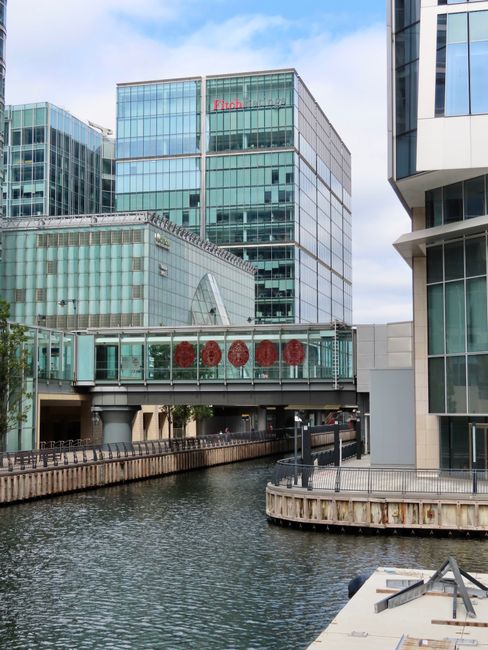
Blackwall is a historic district in the London Borough of Tower Hamlets, set on the north bank of the River Thames in East London. Its identity has long been shaped by its riverside position and by the maritime activity that once dominated the area. The name is linked to the old black dyke or river wall that protected the settlement from the Thames, and the district later became closely associated with the docks, shipbuilding and port-related trade that transformed much of the eastern riverfront. Although the large dockland economy declined, traces of that history remain in the street pattern, surviving buildings and the wider character of the riverside landscape. The area sits near Canary Wharf and the Isle of Dogs, yet it retains a distinct name and a sense of local continuity that predates the surrounding modern developments. Blackwall DLR station gives the district a strong transport connection, while the nearby river crossing and waterfront routes connect it to other parts of the city. Around the edges of the district, the relationship between older riverfront history and new residential growth is visible in the mix of heritage references, contemporary apartment schemes and public realm improvements. As with many parts of the Thames corridor, the landscape is shaped by water, industry and reinvention. That combination gives Blackwall a layered urban character, with practical transport links, evidence of commercial past and an evolving residential profile along the river.
Keeping lawns in good order through the seasons
A lawn benefits from more than a single cut when the weather changes. In periods of strong growth, grass can quickly lose shape, and the mower settings that worked earlier in the year may no longer give the best result. In drier or colder conditions, the lawn may need a lighter touch so it keeps enough strength to recover. A steady approach helps prevent the common problem of cutting too much in one go, which can leave the surface thin and uneven afterwards. The aim is always to preserve the best practical condition of the grass.
For customers who want a well-kept appearance without unnecessary disruption, a routine mowing pattern is usually the simplest solution. It supports a neater look and makes each visit easier to manage because the lawn does not drift too far between cuts. Where there are multiple grassed areas, the work can be tailored so one space receives a slightly different treatment from another. That flexibility matters because a front lawn, side strip and rear garden often have different levels of use and exposure.
When a garden includes planting, raised beds or narrow access, the mowing plan can be adjusted to avoid unnecessary wear. Good service does not try to force every space into the same method. Instead, it focuses on what will leave the lawn looking consistent and the garden easier to care for next time. If you are reviewing your options, the clearest way forward is to compare the condition of the lawn now with the result you want after the next visit.
Quotation details and practical preparation

To prepare a useful quotation, it helps to describe the lawn in practical terms. Matters such as size, access, the current grass length and whether the area needs a simple cut or a fuller tidy-up all affect the scope of work. If the garden includes obstacles, tight passageways or a mixture of grass and debris, those details should be mentioned early because they shape how the job is planned. That way the quotation can reflect the real task rather than a guess based on appearance alone.
A clear enquiry is especially useful when the lawn has not been maintained for a while. In that situation, one visit may focus on restoring access and tidying the worst growth, while later visits can move into a steadier maintenance pattern. If you are asking for help with more than one outdoor task, it is sensible to say so at the same time. Simple information leads to a more accurate quotation, and it also helps set expectations for what the first visit can reasonably achieve.
You do not need to overcomplicate the request. A brief description of the site, the level of growth and the kind of finish you want is usually enough to begin. If the lawn is part of a larger maintenance schedule, include that too, because regular work and one-off work are rarely priced or planned in exactly the same way. Request a quotation once you have a clear picture of the job.
How our garden services fit together
Lawn mowing often works best when it sits within a broader plan for the outdoor space. A garden that is kept tidy at the edges, clear of debris and free from excess growth is easier to mow properly and easier to keep in good order afterwards. That is why we offer related services that support the lawn rather than compete with it. The right combination depends on the condition of the site and the amount of work needed before regular mowing can become effective again.
For customers who want a broader refresh, our landscape-gardening and landscaping pages set out options that go beyond routine cutting. Where the existing garden layout needs practical improvements, those services can complement mowing by making the space simpler to maintain. If you only need the grass under control, though, the main focus remains the lawn itself and the finish it presents after each visit.
A concise way to think about it is this: mowing keeps the grass manageable, trimming sharpens the outline and clearance removes the obstacles that get in the way. When these elements are balanced well, the garden looks less cluttered and is easier to look after across the year. If that is the outcome you want, you can use the service pages to narrow down the help that fits your property.
Getting started

If your lawn in Blackwall needs regular mowing or a one-off tidy-up, the most useful first step is to decide what level of work is required now and what can be left for later maintenance. A straightforward mowing visit may be enough for a lawn that is already in reasonable shape, while a more neglected area may need initial clearance or edging before the grass can be kept on a proper schedule. Either way, the service is designed to keep the lawn presentable and easier to manage.
For customers comparing options across several garden tasks, it is usually best to begin with the part of the site that affects the whole result. If overgrowth, poor access or surrounding debris is preventing a neat cut, address that first, then move into routine mowing once the space is ready. That approach helps avoid repeated disruption and gives the grass a better chance of staying even after the work is done.
When you are ready to take the next step, the final action is simple: request a quotation and outline what the lawn needs. If you would like to discuss the wider garden as well, we can then help you decide which related service pages are most relevant before any work begins.