Canary Wharf office gardeners guide to commercial upkeep
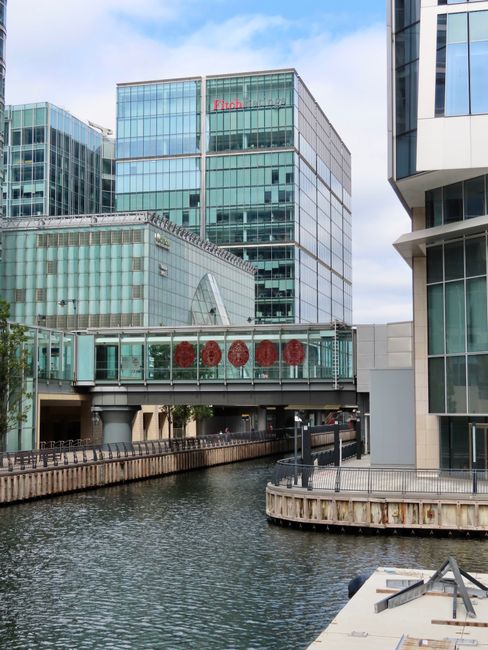
If you manage an office in Canary Wharf, you already know the outside space does more than "look nice". A tidy planter, healthy border, or crisp entrance scheme quietly shapes first impressions before anyone steps through the door. This Canary Wharf office gardeners guide to commercial upkeep explains how commercial planting, routine maintenance, and sensible planning work together so your exterior feels polished all year, not just after a one-off tidy-up.
In a place where glass, steel, footfall, and wind all seem to meet at once, commercial garden upkeep has to be practical. It needs to be regular, discreet, and reliable. It also has to fit the realities of office life: deliveries, staff movements, client visits, and the occasional weather swing that turns a neat space into a slightly scruffy one by Friday afternoon. Let's face it, no one wants a planter full of tired bedding and windblown litter greeting visitors at 8:30 on a Monday.
This article breaks the topic down in plain English. You'll find what commercial upkeep involves, who needs it, how the process usually works, what to avoid, and how to judge whether your current maintenance setup is doing the job properly.
Why Canary Wharf office gardeners guide to commercial upkeep Matters
Commercial landscaping in Canary Wharf is not the same as domestic gardening with a smarter postcode. Office sites have different pressures. There is more traffic, more exposure to wind between tall buildings, more demands on presentation, and usually less tolerance for anything that looks half-finished. Even a small planting area can affect the way a building feels.
That matters because outdoor space in a business district is part of the brand experience. A well-kept forecourt, roof terrace, or podium garden signals care, organisation, and attention to detail. A neglected one sends the opposite message, even if the office inside is immaculate. People notice. Maybe not in a dramatic way, but they do notice.
There is also a practical angle. Healthy planting is easier and cheaper to maintain than planting that has been allowed to fail and needs replacing. Regular upkeep can reduce emergency work, keep irrigation and drainage problems in check, and stop minor issues from becoming awkward. A blocked planter drain after a wet spell can be a small nuisance or a bigger headache. Usually it is the smaller things that catch teams out.
Expert summary: commercial garden upkeep is really about consistency. The best office outdoor spaces in Canary Wharf are not the most elaborate; they are the ones maintained calmly, regularly, and with the site's day-to-day reality in mind.
How Canary Wharf office gardeners guide to commercial upkeep Works
Good commercial upkeep is a cycle, not a one-off visit. In most office settings, the work starts with a site review. That means looking at the planting conditions, access points, drainage, sun and shade, wind exposure, soil or substrate quality, and how the space is actually used. A terrace used for staff lunches has different needs from an entrance strip that mainly needs to stay sharp and presentable.
From there, gardeners usually set a maintenance plan. This might include lawn mowing if there is turf, hedge trimming where formal structure is needed, pruning, weeding, feeding, deadheading, irrigation checks, litter removal, and seasonal planting changes. The plan should be realistic. To be fair, a lovely schedule on paper means very little if it clashes with building access, tenant activity, or security rules.
In commercial settings, timing matters almost as much as technique. Early morning, late afternoon, or quieter service windows are often preferred so teams can work without disturbing staff or clients. Some sites need highly visible presentation work before an event or board visit; others just need dependable background upkeep. Both are valid. The difference is in planning.
For larger schemes, a maintenance programme may sit alongside landscape gardening or a broader landscaping plan. That can include planting redesign, replacement of tired containers, or adjustments to improve resilience. If the site has more than one outdoor zone, the work may be split by frequency: weekly, fortnightly, monthly, and seasonal tasks. That structure keeps things orderly. It also makes budget conversations much easier.
Key Benefits and Practical Advantages
The obvious benefit is appearance, but there is more to it than that. A sensible upkeep plan keeps office landscapes healthier for longer and helps avoid the stop-start cycle that tends to create extra cost. Plants recover better when they are watered, fed, trimmed, and checked before stress gets visible.
Here are the main advantages office managers usually care about:
- Better first impressions: a neat outside area makes a building feel cared for and professional.
- Lower long-term replacement costs: regular maintenance often prevents plants and features from failing early.
- Improved staff wellbeing: even a modest green space can soften a hard urban environment.
- More reliable site presentation: less scrambling before client visits, inspections, or events.
- Safer outdoor areas: clutter, overgrowth, and slippery buildup can be spotted and dealt with sooner.
- Better seasonal resilience: plants are more likely to withstand heat, wind, shade, and wet weather when cared for consistently.
There is a quieter benefit too: peace of mind. Facilities teams already juggle enough. If the outdoor areas are in a steady routine, one less thing keeps popping up in the inbox. That alone can be worth a lot.
Who This Is For and When It Makes Sense
This guidance is for anyone responsible for a commercial exterior in or around Canary Wharf. That could be an office manager, facilities lead, property manager, landlord, building supervisor, or a tenant representative trying to keep shared space in good shape.
It usually makes sense when:
- the office has planters, lawns, podium planting, or terraces that need regular care
- visitors arrive through landscaped entrances or reception forecourts
- the site sits in a windy, exposed, or shaded urban setting
- current gardening feels reactive rather than planned
- the space is looking tired between seasons
- there are complaints about weeds, leaf build-up, dead plants, or poor presentation
It is also relevant if you are comparing providers and trying to work out what a proper commercial service should include. A lot of people can tell when something looks off. Fewer can explain why it went off in the first place. That is where a decent maintenance approach helps.
If your current arrangement is "someone comes by when needed", it may still be adequate for a small site. But for high-footfall office spaces, an ad hoc approach often drifts into visible inconsistency. Not ideal.
Step-by-Step Guidance
Commercial upkeep works best when it follows a clear sequence. You do not need a complicated system. You do need one that makes sense.
1. Start with a site audit
Walk the outdoor space properly. Look at plant health, drainage, access, overgrown areas, weed pressure, damaged containers, irrigation points, and any safety concerns. Note where the space gets morning sun, afternoon shade, strong wind, or heavy foot traffic. In Canary Wharf, those details matter more than people sometimes expect.
2. Set priorities by visibility and risk
Not every task is equal. Entrance areas, client-facing zones, and routes used by staff should usually be prioritised first. After that, deal with health-critical work such as watering, disease control, and anything that could become a trip hazard or safety issue.
3. Build a maintenance schedule
Break tasks into weekly, fortnightly, monthly, and seasonal work. Typical items include:
- litter and debris removal
- weeding and edging
- watering and irrigation checks
- lawn mowing or trimming
- hedge trimming
- deadheading and pruning
- mulch top-ups and feeding
- plant replacement where necessary
A good schedule keeps the space stable. It also stops one missed visit from snowballing into a month of catch-up work.
4. Match the planting to the site
Office planting in a dense urban area needs to be hardy and practical. Wind-tolerant, shade-tolerant, and low-maintenance species often perform better than delicate choices that need constant rescue. Container planting can work well, but it needs proper soil volume, drainage, and water planning. Otherwise it dries out fast, especially in summer.
5. Agree on access and timing
Clarify when contractors can enter, which lifts or service routes are available, where tools may be stored, and how noise should be managed. A tidy plan falls apart very quickly if no one can actually get to the site on time. Simple detail, but crucial.
6. Review results and adjust
After a few visits, look at what is working. Are plants coping? Are certain beds drying out? Is one area always messy after wind or rain? Use that information to refine the plan. Good upkeep is responsive, not rigid.
Expert Tips for Better Results
Here are the bits that tend to make the biggest difference in real office settings.
Use planting that suits the building, not just the mood board. A terrace that looks beautiful on a design proposal may struggle in cold wind or deep shade. Choose with the actual site in mind.
Keep one eye on irrigation. Automatic watering can be helpful, but it is not something you forget about. Blocked emitters, overwatering, and dry patches are common problems. A quick check saves a lot of grief later.
Don't over-pack the schedule. In commercial work, neatness and reliability beat grand gestures. A crisp, simple scheme usually ages better than one that needs constant fussing.
Plan for seasonal shifts early. Spring growth can surge, summer drought can hit containers hard, and autumn leaf fall arrives before everyone is ready for it. Funny how that works every year. Prepare anyway.
Keep communication close to the site reality. The best outdoor maintenance happens when gardeners, facilities teams, and building management stay in touch. If access changes or an event is planned, the work should flex a little.
Think in layers. A strong commercial scheme often combines structure, texture, and simple planting rhythms. That makes the space readable from a distance and attractive up close.
And one small practical truth: if something keeps looking "almost tidy" but never quite there, the issue is usually timing, not effort. Usually.
Common Mistakes to Avoid
Commercial garden upkeep goes wrong in predictable ways. The good news is that most of them are avoidable.
- Waiting until problems are obvious: by the time plants look stressed, recovery is slower and costlier.
- Choosing plants for appearance alone: a stunning but unsuitable plant can become a recurring replacement cost.
- Ignoring access constraints: if the team cannot reach the space easily, the schedule will suffer.
- Skipping seasonal changes: summer and winter upkeep are not the same job.
- Mixing domestic and commercial expectations: office sites need consistency, documentation, and reliability.
- Overlooking drainage and water management: many plant failures start below the surface.
- Assuming one-off tidies solve everything: they rarely do, especially on exposed urban sites.
One mistake deserves special mention: cutting back too hard because the space looked untidy. It is tempting. We have all seen a border that looks like it needs a firm hand. But over-pruning can weaken plants and leave the site bare for weeks. Better to trim with a plan than to "neaten" your way into a problem.
Tools, Resources and Recommendations
You do not need every tool under the sun. In commercial upkeep, the right set is usually fairly practical and chosen for efficiency.
Common tools and resources include:
- commercial-grade mowers and edging tools
- secateurs, loppers, and hedge trimmers
- leaf blowers or collection equipment where appropriate
- watering cans, hoses, and irrigation controllers
- mulch, compost, and soil improvers
- plant records or maintenance logs
- site access notes and seasonal task calendars
If you are managing several outdoor zones, a maintenance log is genuinely helpful. Nothing fancy. Even a simple record of what was done, when, and where can make it easier to spot patterns such as repeated dieback, drainage issues, or a bed that always struggles in one corner.
For broader site planning, it can help to review related services such as garden maintenance, lawn mowing, hedge trimming, and landscape gardening if the outdoor area needs more than routine care. If the site has larger structural changes in mind, landscaping may be the better starting point. For clearance-heavy jobs, garden clearance can help reset neglected areas before maintenance begins.
If you are weighing up presentation improvements, it is also sensible to look at planting design ideas and container choices. The company's blog can be useful for seasonal thinking and layout inspiration; it is not a substitute for a site visit, of course, but it can help sharpen the brief. A slightly better brief saves time later. Every time.
Law, Compliance, Standards, or Best Practice
Commercial upkeep is not only about aesthetics. Office sites also need to think about safety, access, and responsible working practices. In the UK, general health and safety duties apply to workplaces, and commercial garden teams should work in a way that does not create avoidable risk for staff, visitors, or contractors.
That usually means sensible controls around tools, trip hazards, manual handling, and safe access to roofs, terraces, or planted areas. If the site includes elevated or awkward spaces, confirm how work will be carried out before the visit. Better safe than apologetic after the fact.
For building managers, it is also sensible to check that contractors carry appropriate insurance and follow a documented safety process. If a provider has clear information about risk management, that is a positive sign. You can review related details on health and safety policy and insurance and safety if you want to understand the sort of standards a professional service should be able to explain calmly.
Environmental best practice matters too. Waste handling, green waste disposal, and recyclable materials should be managed responsibly where possible. That becomes especially relevant on larger sites with regular cuttings and seasonal clearance. A practical sustainability mindset is not flashy, but it is part of good commercial management. If this is a priority for your building, recycling and sustainability is worth reviewing alongside the main maintenance plan.
One thing worth saying plainly: compliance should never be treated as a separate box-ticking exercise. The safest and best-looking sites usually get both right because the process is built in from the start.
Options, Methods, or Comparison Table
Different office sites need different upkeep models. A small entrance display does not need the same approach as a multi-level terrace or a full landscaped courtyard. The right method depends on size, visibility, usage, and how much intervention the planting needs.
| Approach | Best for | Strengths | Limitations |
|---|---|---|---|
| Ad hoc call-outs | Small spaces with light use | Flexible and simple to arrange | Often inconsistent; issues can build up quickly |
| Routine maintenance schedule | Most office exteriors | Predictable, tidy, and easier to budget | Needs planning and regular access |
| Full landscape management | Larger or high-profile sites | Best for complex planting and presentation standards | More coordination required |
| Seasonal refresh model | Container-led or decorative displays | Good for visual impact through the year | Needs more planting replacement and review |
In practice, many Canary Wharf office sites use a mix. For example, a building may have weekly maintenance for visible beds, monthly structural checks, and seasonal refreshes for planters or reception-facing displays. That hybrid approach is often the sweet spot: enough consistency to keep the site sharp, without overspending on tasks the space does not actually need.
Case Study or Real-World Example
Here is a realistic example based on the kind of work office teams often deal with.
An office building with a small forecourt and a rooftop terrace had good planting to begin with, but the maintenance was inconsistent. The forecourt looked fine after visits, then drifted. The terrace had attractive containers, but a few plants kept drying out and one area was always messy after windy weather. Nothing dramatic, just enough to make the site feel slightly neglected.
The fix was not radical. The maintenance schedule was split into clearer tasks: weekly litter and weed checks, more regular watering inspections, seasonal replacement planting, and a review of which containers were exposed to wind. The planting mix was adjusted so the most exposed containers used hardier species. Access times were also tightened up so visits happened before the building got busy.
Within a short time, the site stopped oscillating between "fresh" and "scruffy". It became steady. That is the real goal most of the time. Not perfection, just steady and good-looking.
There was another small win too: the facilities team spent less time chasing urgent fixes. That alone made the arrangement feel more controlled.
Practical Checklist
Use this checklist to judge whether your commercial garden upkeep is on the right track.
- Does the site have a written maintenance schedule?
- Are entrance and client-facing areas prioritised?
- Is watering checked regularly, not just guessed?
- Are weeds, litter, and debris removed before they become visible?
- Do plants match the light, wind, and shade conditions of the site?
- Are containers and beds inspected for drainage problems?
- Is hedge trimming or pruning done at the right time of year?
- Are access arrangements clear for contractors and building staff?
- Is there a process for seasonal refreshes and replacement planting?
- Are safety, insurance, and working methods understood by the site team?
- Is waste being handled responsibly and in line with the building's policy?
- Does the site look cared for on an ordinary Tuesday, not only before a big meeting?
If you can answer yes to most of those, you are probably in decent shape. If not, no panic. It just means the upkeep plan needs sharpening.
Get a free quote today and see how much you can save.
Conclusion
Canary Wharf office gardeners guide to commercial upkeep is really about making outdoor business spaces dependable. Not flashy. Dependable. A good maintenance plan keeps planting healthy, presentation consistent, and pressure off the people trying to manage the building day to day.
The smartest approach is usually the simplest one: understand the site, choose resilient planting, set a realistic schedule, and keep checking what is actually happening on the ground. That is how commercial gardens stay useful and attractive through changing seasons, busy footfall, and the usual London weather doing its thing.
If your office exterior has started to feel a bit reactive, this is a good moment to reset it. Small improvements, done consistently, add up fast. And honestly, there is something quietly satisfying about walking past a space that just looks sorted.
Frequently Asked Questions
What does commercial garden upkeep include for office sites?
It usually includes weeding, watering, mowing, hedge trimming, pruning, deadheading, litter removal, seasonal planting, and general presentation checks. For some sites, it also includes irrigation monitoring and minor planting adjustments.
How often should an office garden in Canary Wharf be maintained?
That depends on the size and type of planting, but many office exteriors benefit from weekly or fortnightly visits, with seasonal work added as needed. High-visibility areas often need more frequent attention than internal or low-traffic spaces.
Is commercial upkeep different from domestic gardening?
Yes. Commercial upkeep tends to focus more on consistency, safety, access, and presentation standards. Timing and reliability matter more, especially where visitors, staff, and building operations are involved.
What are the biggest problems with office planting in Canary Wharf?
Wind exposure, shaded areas, container drying, compacted or poor substrate, and inconsistent maintenance are common issues. Urban conditions can be tough, so resilient planting and regular checks make a big difference.
How do I know if my current maintenance is not enough?
If the space keeps looking tired between visits, if plants fail repeatedly, or if weeds and litter return quickly, the schedule is probably too light or too irregular. A proper review usually helps spot the weak point.
Should office gardens use low-maintenance plants only?
Not necessarily only low-maintenance plants, but the planting should definitely suit the site conditions. Hardier plants usually perform better in exposed commercial settings, though a little variety can still work well with the right care.
What should I ask before hiring a commercial gardener?
Ask about their maintenance plan, access requirements, safety procedures, insurance, seasonal approach, and how they handle waste. It also helps to ask how they adapt to office hours and building restrictions.
Do terraces and rooftops need special upkeep?
Yes, because they are often more exposed to wind and drying conditions, and access can be more complicated. Rooftop and terrace planting usually needs careful watering, drainage awareness, and regular checks for plant stress.
How can I keep costs under control without letting the site slide?
Use a clear schedule, prioritise visible areas, choose resilient plants, and address problems early. Preventive upkeep is usually more cost-effective than replacing failed planting or doing repeated emergency tidy-ups.
Is it worth including sustainability in commercial garden upkeep?
Usually yes. Responsible waste handling, sensible plant choice, and efficient watering all support a better long-term result. It also fits well with modern office expectations, especially on high-profile sites.
Can I combine garden maintenance with broader landscaping work?
Absolutely. In fact, that often makes sense. Routine maintenance keeps everything healthy, while landscaping or redesign work can improve the layout, resilience, and visual impact of the space over time.
What is the next sensible step if my office garden needs attention?
Start with a site review and a realistic maintenance plan. Once you know what the space actually needs, it becomes much easier to decide whether you need routine care, a seasonal refresh, or a more complete landscape reset.
Some spaces do not need a dramatic makeover. They just need steady hands, the right timing, and a bit of care that keeps showing up. That's the bit people remember.